Last Sunday we celebrated what we might call the Sunday of Water. In the Gospel we contemplated the meeting between Jesus and the Samaritan woman at Jacob’s well.
Today we could call this the Sunday of Light, because Jesus gives both the light of sight and the light of faith to the man who was born blind.
In our Lenten journey, water and light are two great symbols of life. They are elements of nature, but they point to something much deeper: they speak of the new life that God gives, a life that leads us to eternal life.
The second reading expresses this beautifully with the words:
“Christ will give you light.”
He is the light of the world. Only He can illuminate our darkness and open our eyes.
The blind man in today’s Gospel had never seen the light. He had never seen the faces of people, the colors of the world, or the beauty of creation. His whole life was lived in darkness.
Perhaps he had heard about Jesus, but he did not know where to find Him.
And this is where something very important happens: it is not the blind man who finds Jesus; it is Jesus who notices the blind man.
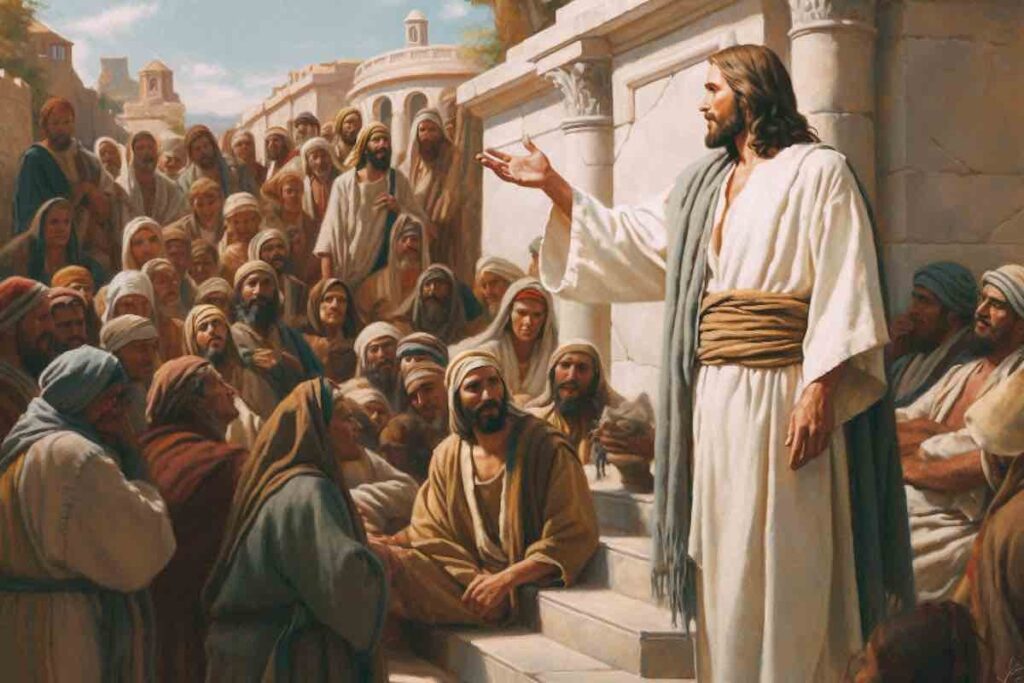
Jesus approaches him, stands beside him, makes some mud, and places it on his eyes.
In many ways, this man represents each one of us. At times we too walk in darkness—through difficulties, struggles, disappointments, and wounds of the heart.
But the Gospel reminds us of something very important: God sees us.
God knows each one of us personally. He comes close to those who suffer, to those who are wounded, to those who feel lost. And He touches our lives in order to lead us back into the light.
Jesus tells the blind man to go and wash in the pool of Siloam.
The man cannot see, but he can listen. He hears the voice of Jesus and feels His touch.
Faced with God’s initiative, the blind man must do something: he must obey the word of the Lord. He cannot excuse himself by saying that, because he is blind, he cannot find his way to the pool.
Here we discover something essential about faith: God takes the initiative, but we must respond.
The blind man must trust. He must continue walking in darkness. He risks stumbling or falling along the way. But if he trusts in the Lord’s word, he will experience God’s power in his life.
And that is exactly what happens: the miracle takes place. He begins to see.
The same is true for us. If the light of Christ is to enter our lives, it is not enough simply to hear the Word of God—we must put it into practice.
The blind man obeys the word of Jesus, even though at that moment he has not yet seen Him. Very often God works in this way: He leads us step by step and leaves us free.
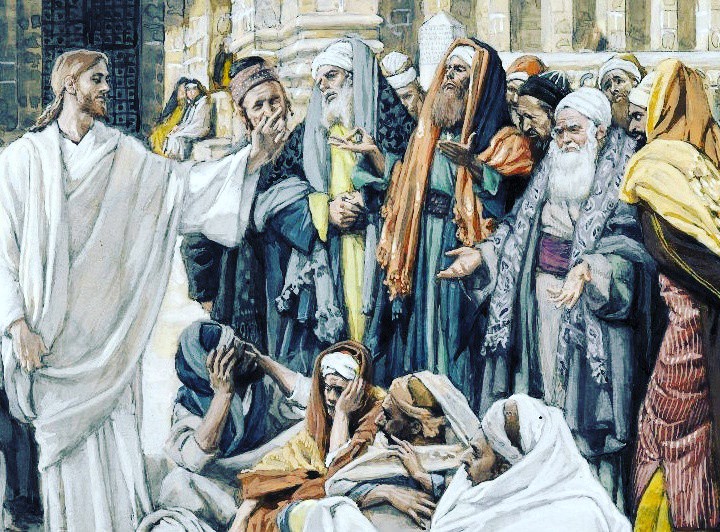
For this man, a journey of faith now begins. At first he says, “He is a prophet.” He recognizes that Jesus comes from God.
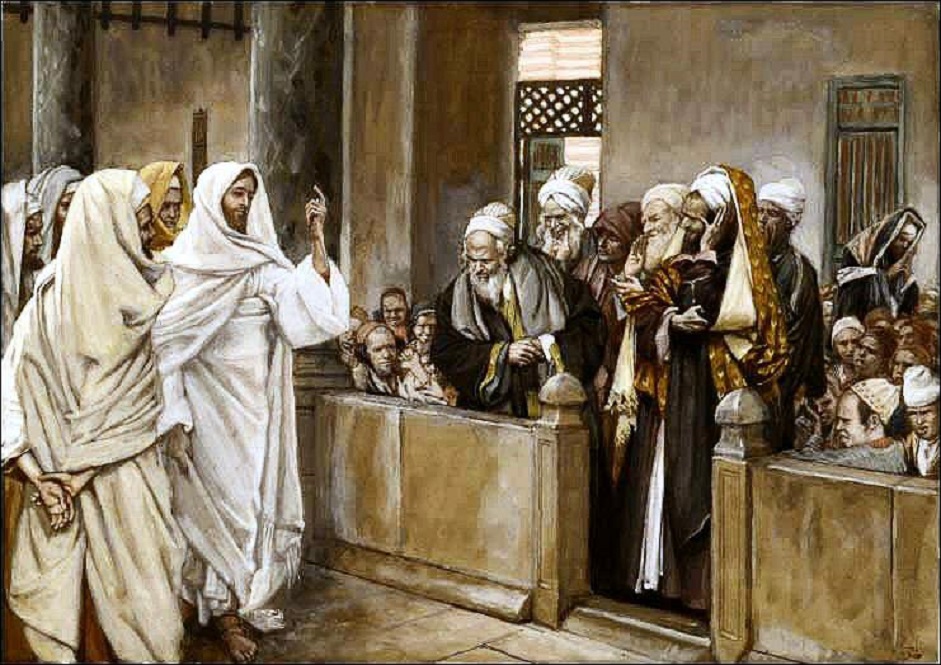
But this testimony costs him dearly. He is questioned, criticized, and even rejected. Not even his own parents defend him. Indeed, following Jesus completely is never easy.
Finally, the decisive moment arrives. Jesus meets him again and reveals who He truly is.
At that moment, the man truly sees—not only with the eyes of his body, but with the eyes of faith.
The Gospel tells us:
“He bowed down and worshiped Him.”
This is the true light: a personal encounter with Jesus Christ.
Brothers and sisters, we too are walking toward the light. Let us trust in the Lord, even when the path ahead is not clear. Because if we trust in Him, Christ will also bring light into our lives.